1. Does the company understand “how people live” before starting the design process?
A good home shouldn’t start with just the question, “What style do I like?” Before designing, the team should understand who will be using the house, their behavior, which areas they use most, whether they need private or shared spaces, and how a family might change in the future. For example, a home for a family with young children might need to consider spaces that can be adapted as the children grow, while a home intended for long-term residence should prioritize convenience and safety as family members age. This is where Longevity Design comes into play in modern home design, because it doesn’t just focus on how beautiful a house will look when it’s finished, but considers whether the space will still be functional and accommodate the residents’ lives for the next 5, 10, or 20 years.
2. Look at the “actual work,” not just a perspective image.
A portfolio is often the first thing people consider when evaluating a home design or construction company. However, you shouldn’t just focus on whether the pictures are visually appealing . You should also check if the company has a portfolio of completed projects or projects they’ve actually delivered, if they’ve undertaken projects of similar size, budget, and complexity to your home, and how closely the quality of their actual work matches the designs presented.
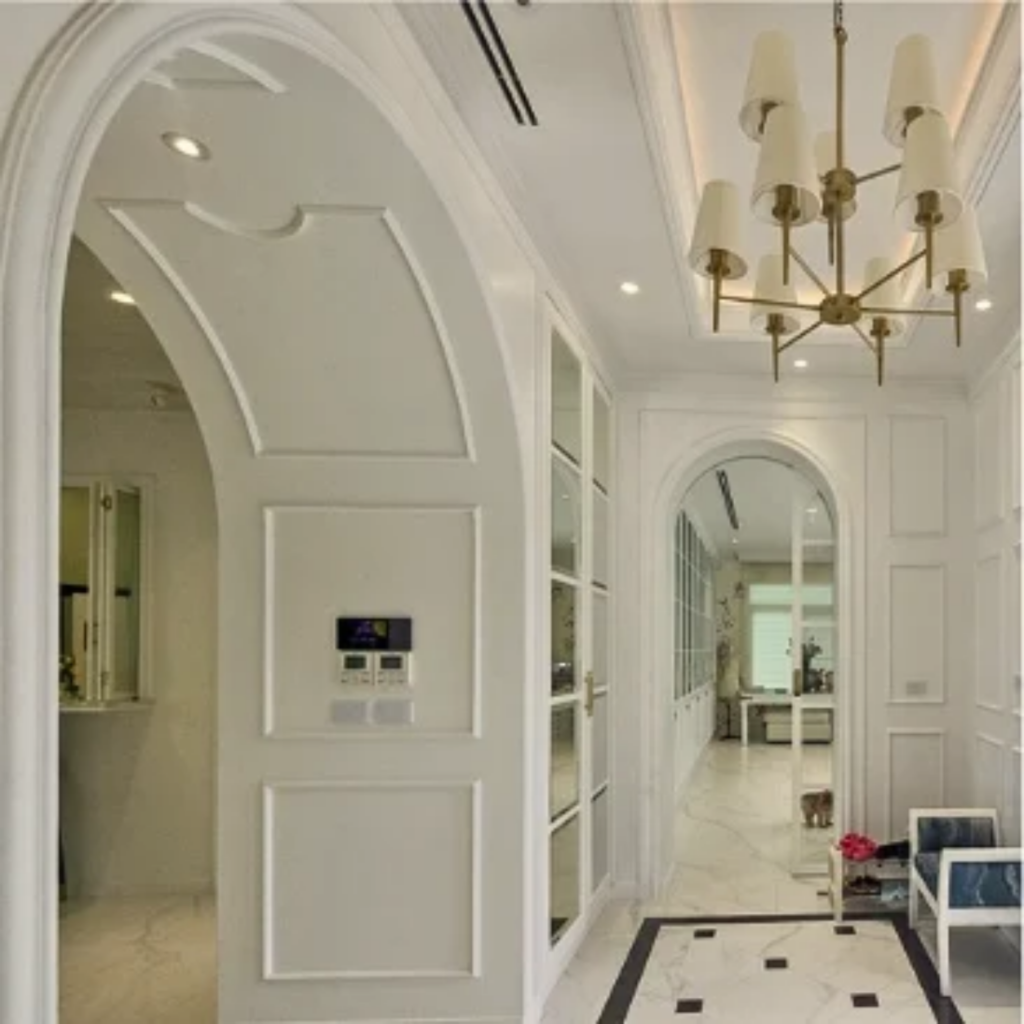
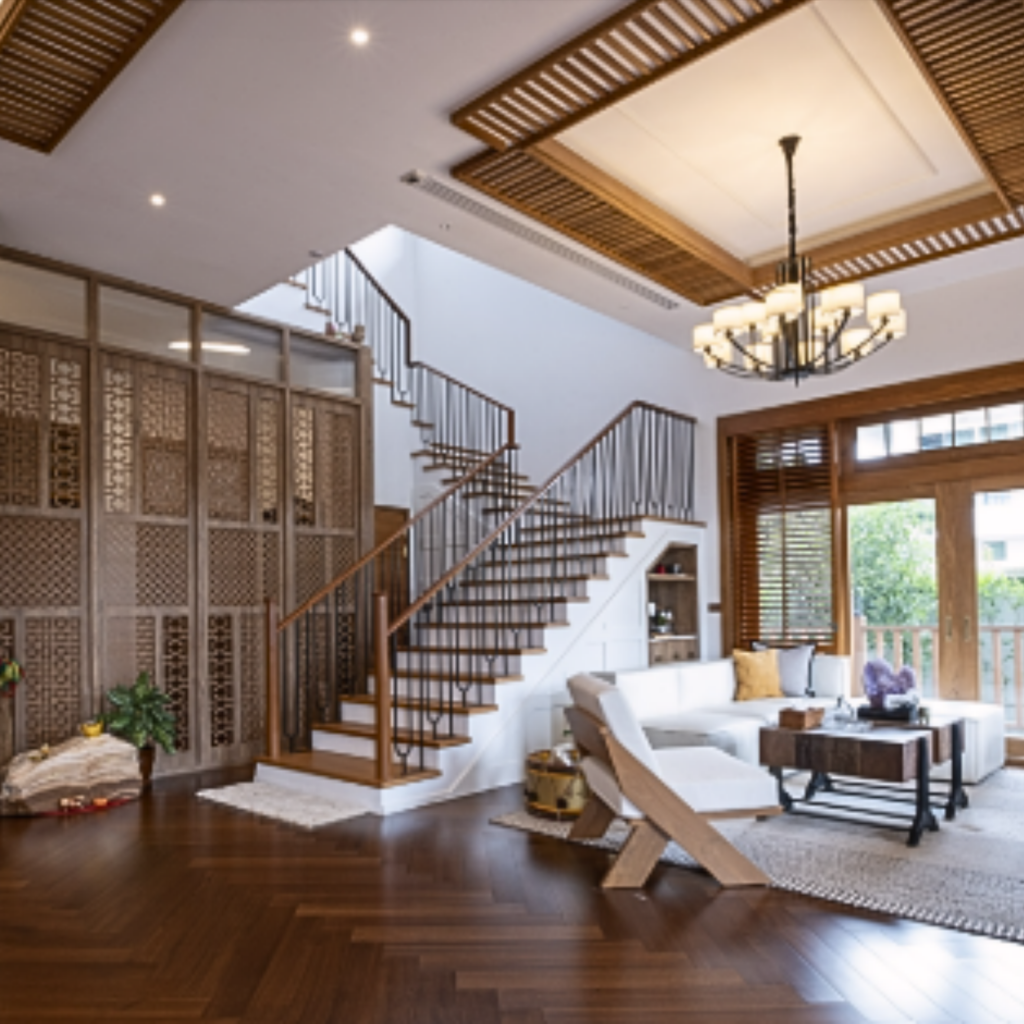
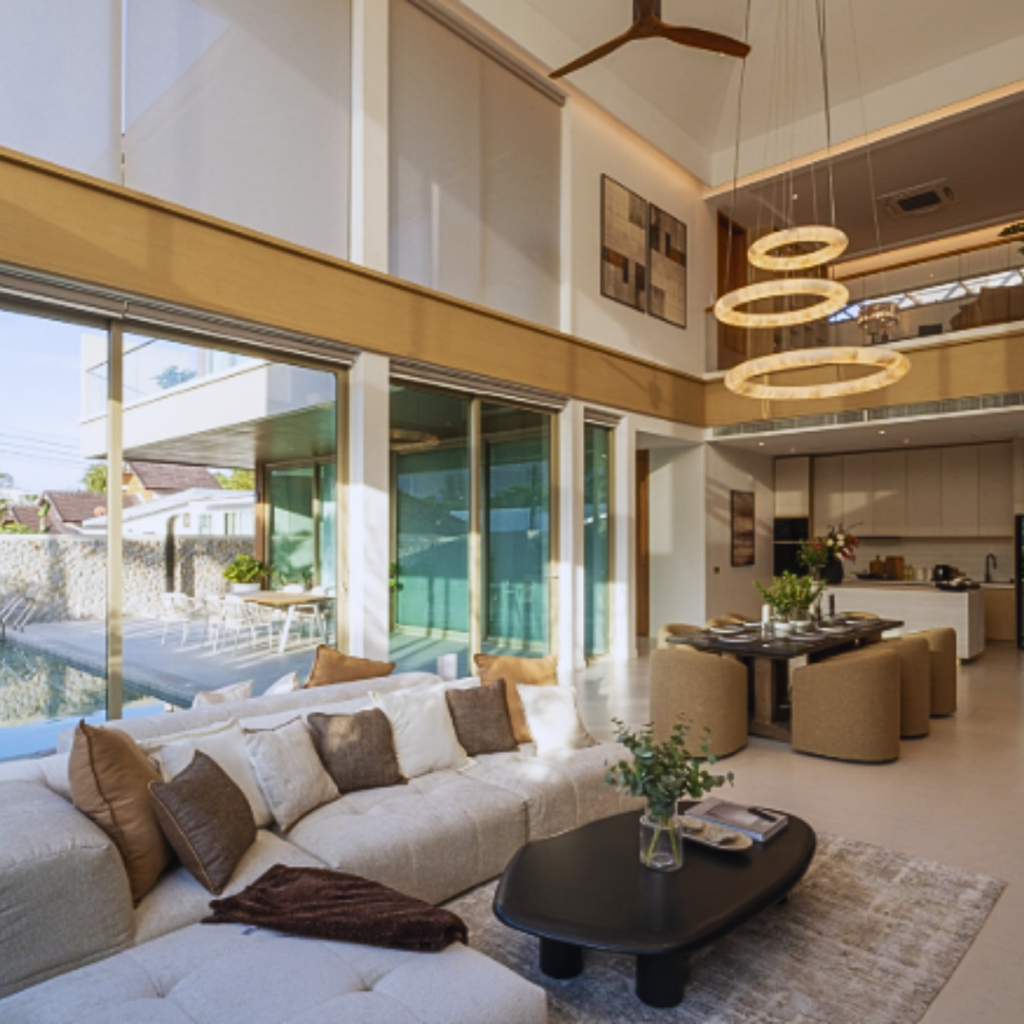
In interior design, even small details significantly impact functionality, from space proportions and lighting placement to materials, built-in fixtures, and the connection between areas . Companies with experience in both design and execution can often identify limitations during the design phase, minimizing on-site rework later on.
3. Clearly define the scope of work before comparing prices.
Quotations from different companies can vary greatly, but before deciding which company is “expensive” or “cheap,” you should first check if the Scope of Work is the same. Some quotations may cover only construction work, while another company may include systems work, built-in furniture, finishing work, or project management. Homeowners should therefore ask for clarification on this.
- What aspects does the design work cover?
- Are electrical, plumbing, and air conditioning systems included?
- Are built-in fixtures and furniture included in the budget?
- Who is in charge of and coordinating each section?
- Are there any additional costs that may arise later?
If you choose a turnkey service that includes a team handling design, execution, and delivery, clearly define the scope of responsibility for each stage of the project and identify a key project coordinator . A clear scope from the outset will help prevent budget overruns and misunderstandings between the homeowner and the team.
4. Don’t choose based solely on the “cheapest price.”
Budget is a crucial factor, but the final figure on a quotation shouldn’t be the sole criterion for decision-making . Other factors to consider include the quality and grade of materials, construction standards, quality control systems, project timeline, warranty, and after-sales service. Sometimes, a slightly higher quotation that details the materials and scope of work may pose less risk of additional costs than an initially low price that omits many unintended items. Therefore, the key question isn’t simply, “Which company offers the lowest price?” but rather, “What does the budget cover, and is the quality of work appropriate for the home we want?”
5. Project management systems are just as important as the design work.
A beautiful design cannot become a good home without effective project management . Before making a decision, inquire about the company’s status: Do they have a Project Manager or project control team? What type of progress reports are provided? Who is responsible for quality control? And what are their procedures for handling and resolving on-site problems? For projects involving construction, systems, and interior design, coordination between architects, interior designers, engineers, and contractors is crucial. Changes in one part of the project can affect many others. A team that has a holistic view of the project from the beginning can minimize redundancy, reduce rework, and better control both time and budget.
6. Assess the transparency and quality of communication.
Building or renovating a home can take months, and some projects can last over a year. Therefore, the relationship between the homeowner and the company is a long-term collaboration . A good company should be able to clearly explain the rationale for the design, material selection, budget, and any limitations to the homeowner. If changes to materials, design modifications, or additional work are necessary, the impact on cost, timeframe, and quality should be clearly communicated before proceeding. Open and systematic communication greatly minimizes errors, unexpected costs, and misunderstandings during the project.
7. Don’t forget the warranty and after-sales service.
Home maintenance doesn’t end the day you receive the keys . After occupancy, some details may need adjustment, whether it’s systems, equipment, built-in fixtures, or certain materials. Therefore, before signing a contract, it’s crucial to check the company’s warranty period for each type of work, whether they have an after-sales service team, and how to contact them if problems arise after handover. A clear after-sales service system is another factor that reflects the company’s standards and responsibility for its work in the long term.