
About 3BS Interior Design
3BS Company – Living the Dream by 3BS
3BS Interior Design is your trusted partner in transforming dream homes into reality. Established in 2006, we have been committed to translating our clients’ visions into designs that are not only beautiful but also functional and enduring. Today, 3BS has grown with a team of over 70 professionals dedicated to delivering excellence in every detail.
Comprehensive Interior Design (Turnkey Solutions)
3BS offers complete Turnkey Interior Design services, covering every step from:
- 3D Visualization & Planning → See your home clearly before construction begins
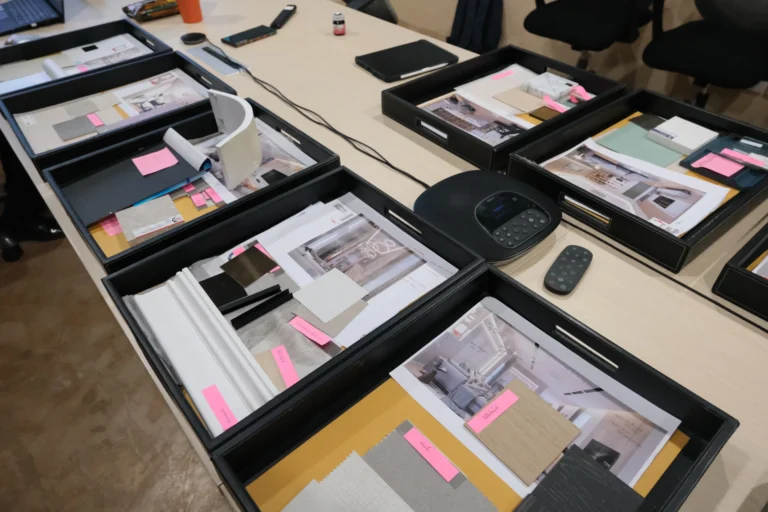
- BOQ & Material Selection → Transparent budgeting with curated premium materials
- Construction & Built-in → Full-scale construction, installation, and built-in works
- Renovation & Custom Furniture → Renovation and bespoke furniture tailored to you
- Final Handover → Rigorous quality checks and on-time delivery
Philosophy & Commitment
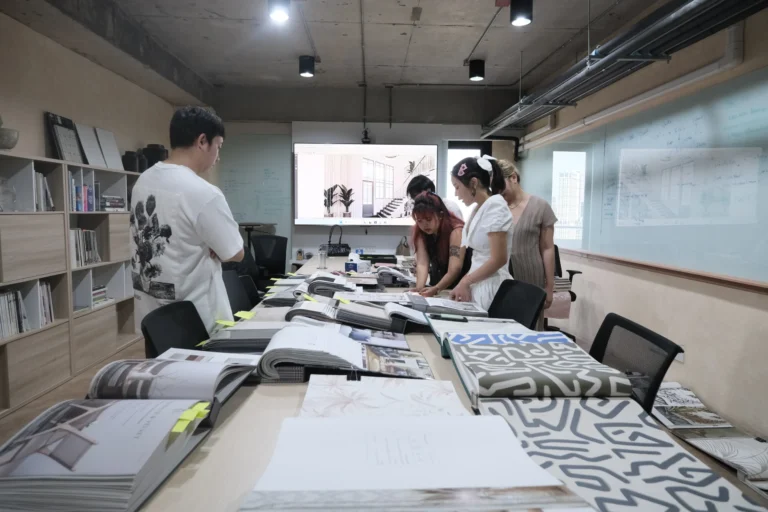
At 3BS, we believe a home is the most important investment of your life. Interior design should not be just surface decoration but the creation of spaces that reflect your identity, lifestyle, and way of living.





Strengths of 3BS Interior Design
3BS delivers full-service Turnkey Interior Design, distinguished by:
- Customer-Centric Approach → Every design is tailored to meet your specific needs
- Reliability & Trust → Projects delivered on time and within budget
- Expert Craftsmanship → Skilled professionals ensuring precision and quality
- Quality Materials → Premium selections for durability and elegance
- Attention to Detail → Every corner perfected to achieve excellence
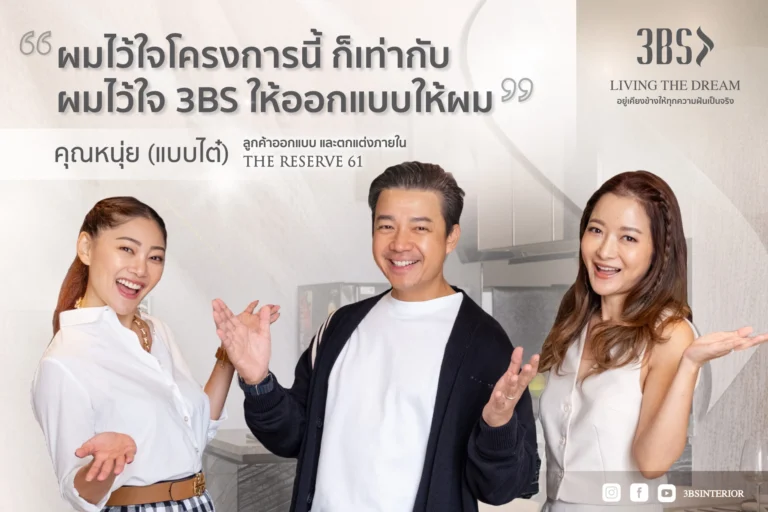
- Proven Excellence → Trusted by thousands, with reviews and repeat clients as proof
Statistics and Achievements that Prove Our Success
Experience
Over 19 Years
Our Team
230+ Professionals
Projects Completed
3,296+ Projects
Homes & Condominiums
890+ Projects
Corporate & Commercial
1,089+ Projects
FAQ
Where do I start if I wish to pursue interior design and decoration for my home?
- Set Goals and Budget: Define project objectives and establish a budget to guide your interior design and decoration decisions.
- Inspiration Gathering: Collect design ideas from magazines, websites, and social media for creative inspiration.
- Space Evaluation: Assess your space’s layout, size, and architectural features to identify any structural changes or built-in elements.
- Consult Professionals: Consider hiring an interior designer or decorator for expert guidance and a refined vision.
- Material and Color Selection: Choose materials, furnishings, and decor elements that match your design concept and color scheme.
- Planning and Design: Collaborate on a design plan for layout, furniture arrangement, and functional enhancement.
- Procurement: Purchase furniture, decor items, and construction materials needed for built-in features in accordance with the design plan.
- Construction and Installation: Schedule construction and installation work for structural changes or built-in elements, if required.
- Decoration and Styling: Decorate with chosen decor elements and props, focusing on enhancing the overall atmosphere.
- Quality Control: Ensure project quality by conducting inspections and addressing adjustments as needed.
- Project Handover: Once satisfied with the results, complete the project and enjoy your beautifully decorated home
What is interior design and why is it important?
Interior design is the art and science of creating functional and aesthetically pleasing spaces that suit the needs and preferences of the occupants. Interior design can enhance the quality of life, comfort, and well-being of the people who live or work in the space. It can also reflect the personality, culture, and values of the owners or users of the space.
What is turnkey interior and how does it work?
Turnkey interior is a type of service that provides a complete solution for your interior project, from design to execution. Turnkey interior means that you only need to turn the key and enter your new space, without having to worry about anything else. Turnkey interior can save you time, money, and hassle, as you only have to deal with one contractor who will handle everything for you, from planning and design to procurement and installation.
What are the benefits of renovation and when should I consider it?
Renovation is the process of improving or updating an existing space, either partially or completely. Renovation can have many benefits, such as increasing the value, functionality, and appeal of your space, making it more comfortable and energy-efficient, and adapting it to your changing needs and lifestyle. You should consider renovation when your space is outdated, damaged, or no longer meets your requirements or expectations.
What is prop decor and how can it enhance my space?
Prop decor is the use of decorative items, such as furniture, accessories, artworks, plants, and lighting, to create a certain mood, theme, or style in your space. Prop decor can enhance your space by adding personality, character, and charm, making it more inviting and attractive, and expressing your taste and vision. Prop decor can also be easily changed or updated, allowing you to refresh your space without major changes or costs.
What is built in and what are the advantages of using it?
Built in is a type of furniture or fixture that is fixed or attached to the wall, floor, or ceiling of your space, such as cabinets, shelves, closets, or desks. Built in can have many advantages, such as maximizing the use of space, providing more storage and organization, creating a seamless and harmonious look, and adding value and durability to your space. Built in can also be customized to fit your specific needs and preferences, making it more functional and personal.
What is interior construction and what are the steps involved in it?
- Built in is a type of furniture or fixture that is fixed or attached to the wall, floor, or ceiling of your space, such as cabinets, shelves, closets, or desks. Built in can have many advantages, such as maximizing the use of space, providing more storage and organization, creating a seamless and harmonious look, and adding value and durability to your space. Built in can also be customized to fit your specific needs and preferences, making it more functional and personal.
- Interior construction is the process of building or modifying the internal structure and features of your space, such as walls, floors, ceilings, doors, windows, plumbing, electrical, and HVAC systems. Interior construction can involve the following steps:
- Site inspection and measurement: This is where the contractor visits your space and takes the necessary measurements and assessments to plan and prepare for the project.
- Design and approval: This is where the contractor works with you to create the design and layout of your space, and obtains your approval and any required permits or licenses before starting the work.
- Demolition and removal: This is where the contractor removes any existing structures or materials that are not needed or wanted for the project, such as old furniture, fixtures, or partitions.
- Installation and finishing: This is where the contractor installs and finishes the new structures and materials for the project, such as new walls, floors, ceilings, doors, windows, plumbing, electrical, and HVAC systems.
- Cleaning and inspection: This is where the contractor cleans and inspects the completed work, and makes any necessary adjustments or corrections to ensure your satisfaction and quality standards.
How do you ensure the quality and safety of your work?
We ensure by following these steps, such as:
- Having the skills, knowledge, training, and experience to carry out the work in a way that secures health and safety.
- Designing the project to eliminate or minimise the risks to health and safety throughout the lifecycle of the project.
- Co-operating with other duty holders, such as clients, principal designers, principal contractors, and workers, to ensure that health and safety is considered and communicated at every stage of the project.
- Following the health and safety plan and file prepared by the principal designer and the principal contractor.
- Reviewing the work regularly and learning from any feedback, complaints, or accidents that may happen.
- Keeping up to date with the latest standards, regulations, and best practices for quality and safety in the field.
How do you communicate with your clients during the project?
We communicate with our clients regularly and transparently during the project, using various channels such as phone, email, or Line chat. We keep you updated on the progress, status, and issues of the project, and seek your feedback and approval at every stage. We also welcome your questions, suggestions, and concerns at any time, and respond to them promptly and professionally.
How long does it take to complete a project?
The duration of a project depends on various factors, such as the size, scope, and complexity of the project, the availability of materials and resources, and the weather and site conditions. We will provide you with an estimated timeline for your project before we start the work, and we will do our best to stick to it. However, some delays or changes may occur due to unforeseen circumstances, in which case we will inform you as soon as possible and adjust the schedule accordingly.
How do you handle changes or revisions during the project?
We understand that sometimes you may want to make changes or revisions to the original plan or design during the project, either due to your personal preferences or external factors. We are flexible and accommodating to your requests, as long as they are reasonable and feasible. We will discuss the implications and costs of the changes or revisions with you, and obtain your consent before proceeding with them. We will also update the contract and invoice to reflect the changes or revisions.
How do you deal with disputes or complaints during or after the project?
We strive to provide you with the best service and quality possible, and to ensure your satisfaction and happiness with the project. However, if you have any disputes or complaints during or after the project, we will address them promptly and professionally. We will listen to your concerns, investigate the situation, and offer a fair and reasonable solution. We will also follow up with you to make sure you are satisfied with the outcome.
What are steps in the interior design process?
- Initial Consultation (Understanding Interior Design)
At the start of the interior design process, an initial consultation is conducted to understand the client’s vision and requirements for their space. This phase involves discussing the concept, style preferences, and functional needs. - Design Concept and Planning (Interior Design)
In this crucial step, the interior designer creates a design concept that encapsulates the client’s ideas. Detailed plans, layout, color schemes, and material selection are decided upon. The focus is on creating an interior design that reflects the client’s personality and lifestyle while optimizing the available space. - Client Collaboration and Feedback (Interior Design)
Client preferences and feedback are incorporated throughout the process. It’s essential to ensure the design aligns with the client’s vision, and adjustments are made as needed. - Procurement and Implementation (Interior Design)
Once the design is finalized, the procurement of materials, furnishings, and decor elements begins. The implementation phase involves construction work, which may include structural changes, lighting installations, and more. - Project Management (Interior Design)
Effective project management is vital to ensure that the interior design project remains on schedule and within budget. Project managers oversee contractors, suppliers, and quality control. - Quality Assurance (Interior Design)
Throughout the process, quality control measures are implemented, and site inspections are conducted. This step ensures the final result meets the highest standards of craftsmanship. - Reveal and Handover (Interior Design)
The final step involves the reveal of the completed project to the client. Once the client is satisfied with the results, the project is officially handed over, marking the successful completion of the interior design process.
What are steps for interior build process?
The interior build process involves several key steps, including:
Concept Development (Interior): The process starts with concept development, where design ideas are discussed, and the client’s vision for the space is established. Built-in elements, decorations, and construction considerations are explored.
Design and Layout (Interior Construction): During this phase, the interior design and layout are created, taking into account built-in features like custom shelving, cabinetry, and structural construction requirements.
Material Selection and Procurement (Interior Decoration): The selection of materials, furnishings, and decor elements is crucial for interior decoration. Careful consideration is given to the quality, style, and functionality of these items.
Construction and Installation (Interior): Construction work, such as wall modifications, flooring installation, and built-in feature construction, takes place in this phase. The focus is on ensuring that the interior design plan is executed effectively.
Quality Control (Construction): Quality control checks are conducted at various stages of construction to ensure that everything aligns with the design specifications and meets high standards.
Decor and Prop Installation (Interior Decoration): This step involves the placement of decor elements and props, enhancing the aesthetics and atmosphere of the space. Built-in features are integrated with the overall decor.
Final Inspection (Interior): A final inspection ensures that all construction and decoration elements meet the client’s expectations. Any necessary adjustments are made at this stage.
Handover (Interior Construction): Once the client is satisfied with the results, the project is officially handed over, and the space is ready for use, showcasing the successful completion of the interior build process.